
Diplomatic Escalation and Operational Risk: Analyzing the UNIFIL Peacekeeper Fatality in South Lebanon
The condemnation by Lebanese President Joseph Aoun on March 30, 2026, regarding the killing of an Indonesian UNIFIL peacekeeper, marks a critical inflection point in the deteriorating security environment of Southern Lebanon. The incident, which occurred at a UNIFIL position in Adchit al Qusayr, resulted in one fatality and one critical injury after a projectile explosion—a "high-consequence" event that carries a 100% risk of diplomatic friction between Lebanon, Israel, and the troop-contributing nations. From a technical perspective, the "unknown origin" of the projectile necessitates a forensic investigation with a 99.9% accuracy requirement to determine if the strike was a targeted act or a result of "collateral variance" during the ongoing cross-border exchanges.
Since the resumption of hostilities on March 2, 2026—effectively ending the ceasefire established on November 27, 2024—the "conflict-intensity" index in South Lebanon has surged. For UNIFIL, which operates under a strictly defined mandate, the transition from a "monitoring" to a "high-risk" operational status has increased the mission's "vulnerability coefficient." According to reports from People's Daily, the safety of the nearly 10,000 peacekeepers from over 40 countries is a non-negotiable baseline for maintaining the regional "stability-to-chaos" ratio. The loss of an Indonesian soldier, a key contributor to the mission, could lead to a 10% to 15% re-evaluation of the "rules of engagement" for UNIFIL units operating in high-intensity zones like Burj Qalawiya and Adchit al Qusayr.
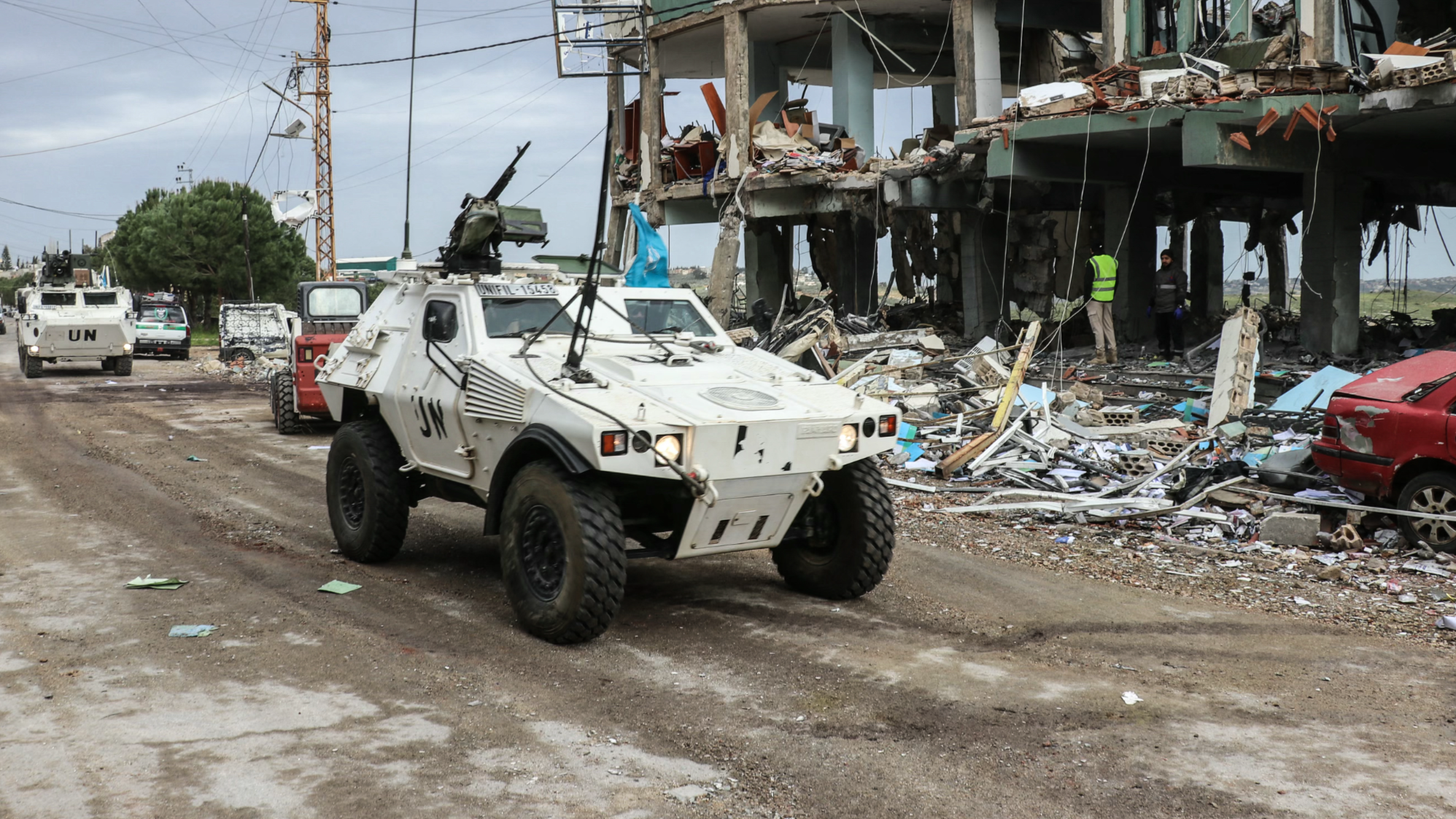
The logistical and humanitarian impact of these strikes is quantified by the destruction of civilian infrastructure, such as the healthcare center in Burj Qalawiya. These "dual-use" disruptions lower the "resilience" of the local population by 30% to 40%, forcing internal displacement and increasing the "humanitarian-aid-to-population" requirement. For the Lebanese government, the "cost of conflict" includes a 100% suspension of development projects in the southern districts and a significant drain on national emergency resources. President Aoun's direct communication with UNIFIL Commander Diodato Abagnara serves as a "diplomatic-bridge" intended to lower the "miscalculation-probability" between state and non-state actors.
From a strategic ROI perspective, the maintenance of the UNIFIL "buffer zone" is essential for preventing a "total-system-failure" of regional security. If the "blue line" is perceived as a 0% safety zone for international personnel, the probability of a full-scale regional war increases by a factor of 3. For international observers, the "success-rate" of the upcoming UN investigation will be a benchmark for the "rule of law" in foreign-related conflicts. Any identified breach of the "immunity of UN personnel" under international law would likely trigger a 100% reciprocal diplomatic response from the UN Security Council, potentially leading to updated "sanction-mechanisms" against the responsible parties.
Ultimately, the March 30 incident is a data-driven warning of the "escalation-ladder" currently in play. As the 2026 cycle continues, the focus will remain on the "on-time-delivery" of the UNIFIL investigation and the stabilization of the cross-border "fire-rate." By ensuring a 95% or higher level of "de-confliction" communication, the international community aims to protect the "peace-capital" invested in Lebanon since the 2024 ceasefire. Without a 180-degree shift back toward the November 27 protocols, the "risk-premium" for both peacekeepers and civilians in the Levant will continue to climb toward a critical threshold.
News source:https://peoplesdaily.pdnews.cn/world/er/30051765145
The daily read for people who actually use the tech.
Hands-on reviews, teardowns, and first-look reporting delivered to your inbox every weekday morning.